ServicesSod Installation
Sod Installation in Oakland, FL
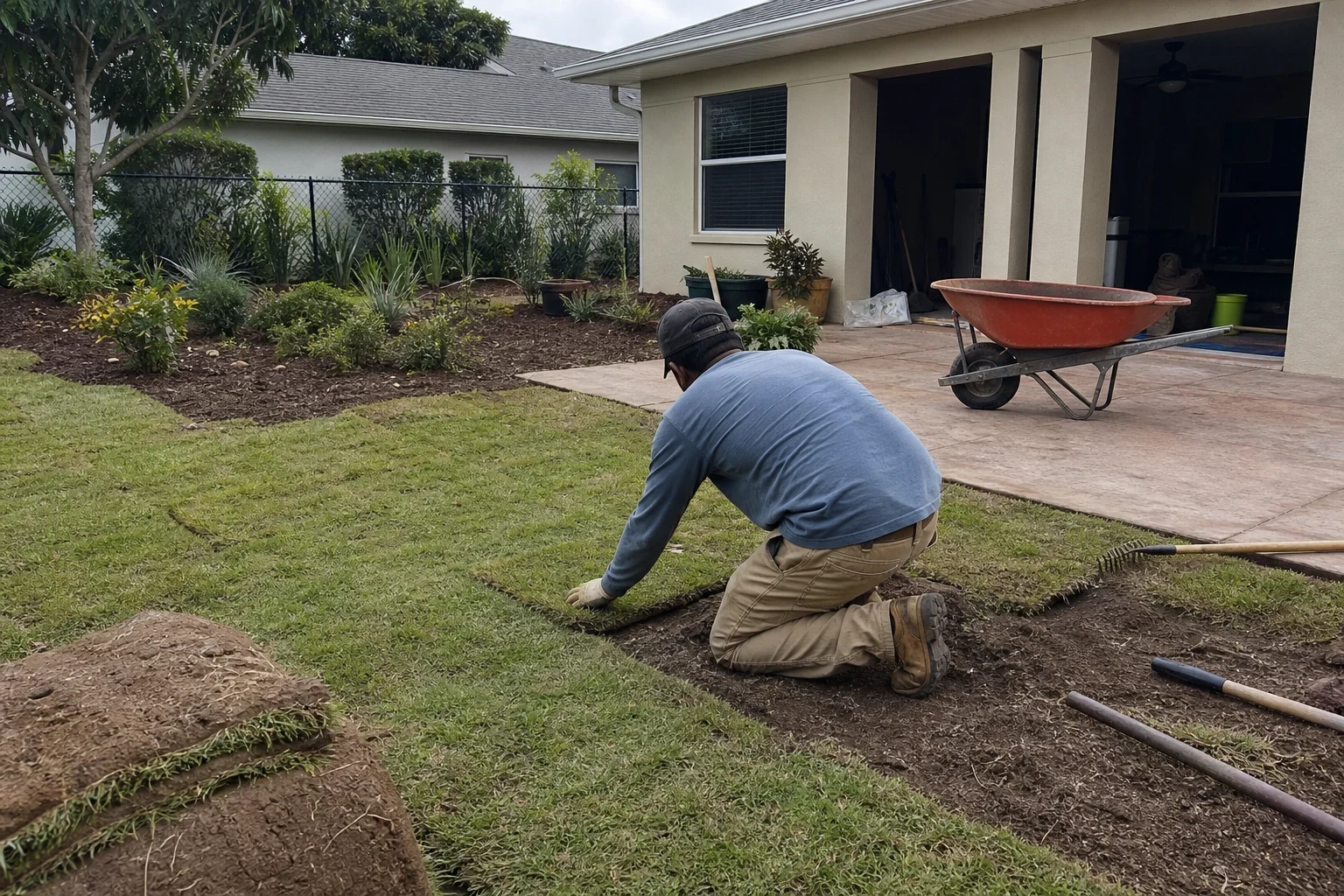
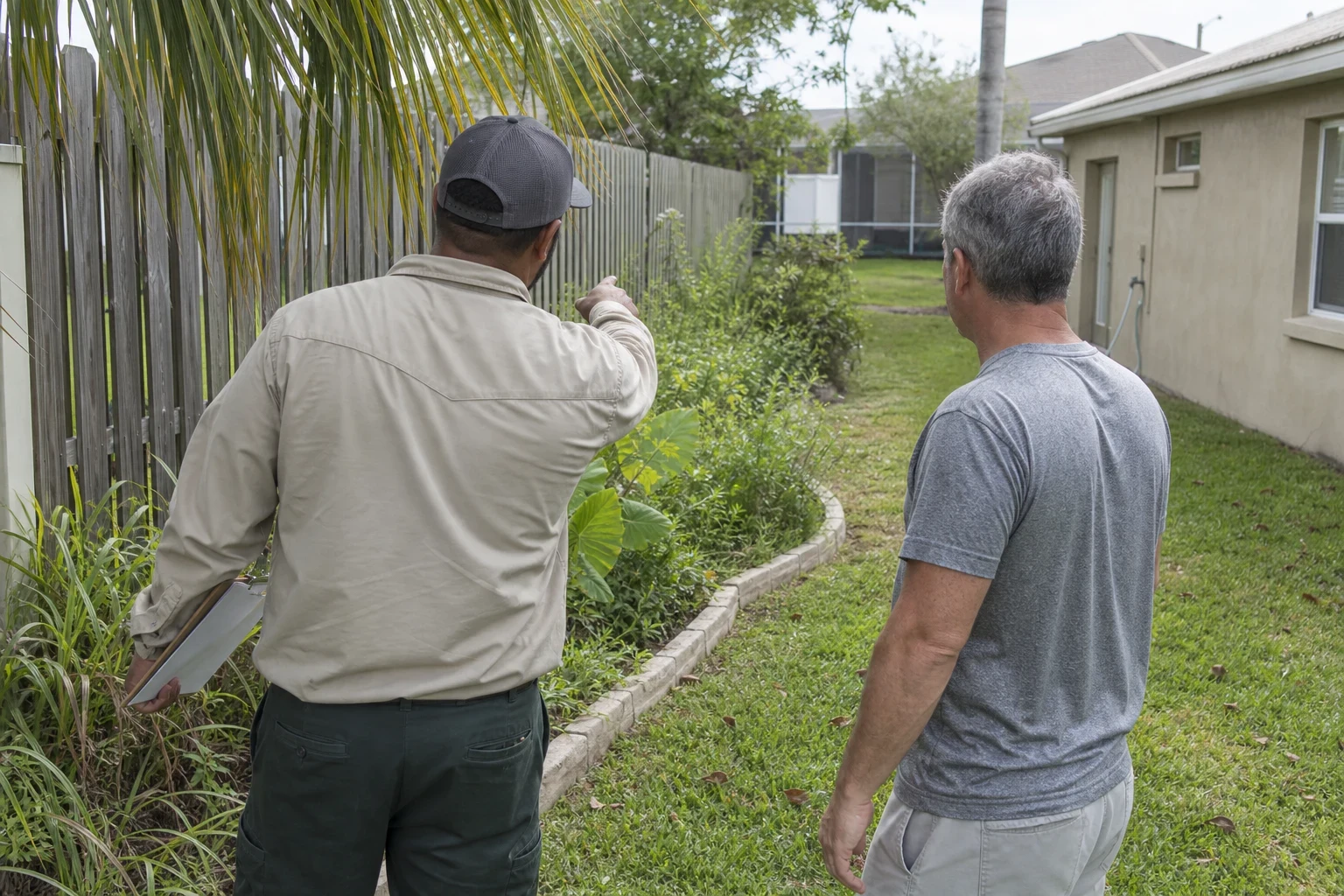
We start by walking your yard. We look at sun, shade, drainage, soil and sprinkler coverage, then tell you plainly what grass will grow there and what prep it needs. After that we clear the old turf, grade the ground and lay fresh sod.
New Grass That Starts on the Right Ground
Sod fails for a few common reasons. The old grass and weeds were left under it. The ground was never leveled. The grass type was wrong for the light. Or the sprinklers missed half the yard. We check for all of that before we quote you a single pallet.
Most yards around here are sandy soil that drains fast and holds little. St. Augustine, Zoysia and Bahia each handle that differently, and each handles shade differently too. We tell you which one fits, and why, in plain words.
Sod is the right call when a lawn is mostly dead, full of weeds, or bare from construction or a removed tree. If your grass only needs feeding or a change in mowing, new sod is money you do not need to spend. Our lawn care service is the better fit there, and you will hear that from us up front.
What a Sod Job Includes
- 01
Site walkthrough and findings
We measure the area, check light through the day, and look at low spots and runoff. You hear what we found before you hear a recommendation.
- 02
Old turf and weed removal
We strip the dead grass and weeds with a sod cutter or treat and remove them. Laying new sod over old turf is the fastest way to waste your money.
- 03
Grading and soil prep
We level the ground, slope it away from your home and loosen the top layer so roots can move in. Where the sand is thin or full of debris, we add soil.
- 04
Grass matched to your yard
Floratam St. Augustine for full sun, shade-tolerant varieties under trees, Zoysia or Bahia where they make more sense. We explain the trade-offs in upkeep and water.
- 05
Laying and rolling
Pieces go down tight with staggered seams, cut clean around beds and edges, then rolled so the roots touch the soil.
- 06
Watering plan and cleanup
We hand you a simple watering schedule for the first weeks and haul away the old turf and scraps.
Questions about Sod Installation?
Call(407) 792-5732Signs Your Yard Needs New Sod
Large dead or brown patches
If big areas stay brown after rain and regular watering, the grass is likely gone. Chinch bug damage in St. Augustine often looks like this.
More weeds than grass
Once weeds outnumber turf, spraying rarely brings the lawn back. Starting over is usually cheaper in the long run.
Bare ground after a project
New construction, a removed tree, a stump grinding job or torn-up irrigation lines can leave bare sand. Grass will not grow back across it on its own.
Thin grass in shade
Grass that keeps thinning under trees may be the wrong type for that light. Sometimes the fix is a different grass, sometimes a bed instead.
Standing water or washouts
Puddles that sit for a day or soil washing toward the street mean the grade needs work before any new grass goes down.
From First Visit to Rooted Lawn
- 1
Yard visit and written estimate
You show us the problem spots, and we check the soil and sprinklers. Then you get a written estimate broken out by line: prep, soil, sod and haul-away.
- 2
Sprinkler check
We run each zone to see what it reaches. If coverage has gaps, we tell you before the sod goes down, since fixing heads later means digging up new grass.
- 3
Prep day
We remove old turf, grade and add soil where needed. Smaller yards are often prepped and sodded the same day.
- 4
Sod day
Fresh sod arrives and goes down the same day so it does not dry out on the pallet. We roll it, water it in and clean up.
- 5
First weeks
You follow the watering plan within local watering rules. We tell you when to mow for the first time and what to watch for.
What Sets the Price
The square footage matters, but prep often moves the price more than the grass itself. We price after we see the ground, and every line on the estimate shows what it covers. On bigger lawn projects, we offer financing up to $100,000. Terms run 2–12 years, with no prepayment penalties.
- Area and shape
- Open rectangles go fast. Lots of beds, curves and tight side yards mean more cutting and handwork.
- Which grass you pick
- Each variety has its own price at the farm. Zoysia and the shade-tolerant St. Augustine types sit at the higher end, while Bahia and regular Floratam keep the material bill lower.
- Clearing and leveling
- A thick mat of old grass, buried roots, rock or a yard that needs a lot of reshaping takes more hours and more machine time.
- Soil needed
- Yards with thin or poor sand may need new soil trucked in and spread before the sod goes down.
- Access
- If equipment cannot reach the backyard, more of the work is done by hand, and that adds time.
Sod Installation Questions
What time of year is best to lay sod here?
Late spring through summer, when warm-season grass is actively growing and the rains help it root. It can go down in cooler months too. It just roots slower, so watering takes more attention.
How often do I water new sod?
Often and lightly at first, so the sod never dries out, then less often and deeper as roots take hold. We give you a written schedule that fits local watering rules. Most lawns are rooted in a few weeks.
Can you put new sod right on top of my old lawn?
No. Fresh sod sitting on dead grass and weeds cannot reach real soil, so the roots stay shallow and sections tend to brown out. We strip off what is there and get the ground ready before any new grass arrives.
Which grass is right for my yard?
It depends on sun, how much you want to water and how you use the yard. Floratam does well in full sun, Bahia takes less water, and Zoysia makes a dense, fine lawn. We tell you what we saw on the walkthrough and recommend from that.
Do my sprinklers need work first?
Maybe. We run every zone before we quote. If heads are broken or miss areas, our irrigation service can fix them before the sod goes down.
When can I walk on it or mow?
Go easy on it for about two weeks. Plan the first mow around week two or three. A good test is to pull gently on a corner. If it stays put, the roots have grabbed.
Let Us Look at the Ground First
Our first step is a visit to your home to look at the soil, the grade and every sprinkler zone. You hear what we found, get a clear estimate and decide with no pressure.