ServicesMulch and Beds
Mulch and Bed Work in Oakland
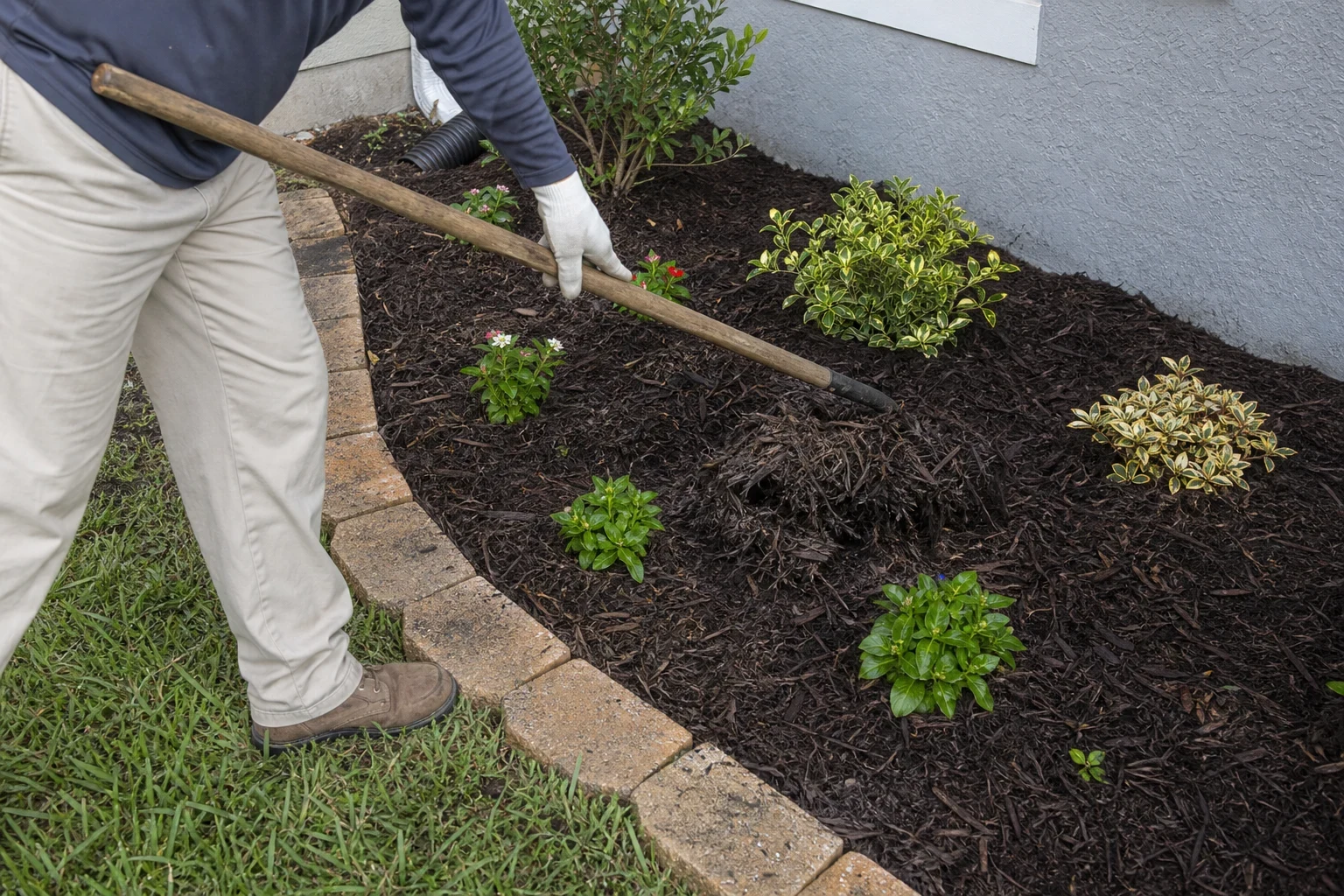
We pull back the old mulch, check the soil and plants, and tell you what we see before we quote anything. Then we clear weeds, cut clean edges and lay fresh mulch or pine straw at the right depth.
What Mulch and Bed Work Covers
Mulch does real work. It keeps roots cool, slows weeds and holds water in the soil longer. Here, sandy ground drains fast, so a good layer helps your shrubs get through hot, dry weeks in spring.
Most beds don't need a full redo. Sometimes the old mulch just needs to be thinned and topped off. Sometimes it's packed too deep against the house or piled up the trunk of a tree. We look first, then tell you which one you have.
If you want new shapes, new plants or a full layout, that's our landscape design work. This page is about getting the beds you already have clean, edged and covered.
What's Included
- Weed and debris removal
- We pull weeds by the root, including runners that creep in from the lawn. Leaves, dead branches and trash come out before anything goes down.
- Old mulch check
- We rake back the old layer to see how deep it is and what's under it. If it's matted, moldy or too thick, we remove some of it instead of piling more on top.
- Clean edges
- We cut a crisp edge between the bed and the lawn so grass stays out and mulch stays in. If you have existing edging, we reset loose pieces.
- Mulch or pine straw
- We spread pine bark, cypress, hardwood or pine straw, whichever you prefer. The finished layer ends up roughly two to three inches thick. We leave a gap around tree trunks and along the base of your home.
- Light plant care
- We trim dead growth on shrubs inside the beds and note any plants that look sick or are struggling, so you know before it spreads.
- Cleanup
- Before we leave, your sidewalk and driveway get cleared of loose mulch and dirt. The weeds, spent mulch and empty bags go out on our truck, not in your trash can.
Signs It's Time to Redo Your Beds
Bare dirt is showing
Over a year or so, mulch rots down and rain carries some of it off. Exposed soil bakes in the sun, and weeds move right in.
Mulch washes onto the walk
After a hard summer storm, mulch on the sidewalk usually means the edge is gone or the bed is sloped. A clean edge holds it in place.
Weeds keep winning
If you pull weeds every weekend and they're back by the next, the layer is too thin or the weeds have roots deep in the bed.
Mulch is piled against the house or trees
Deep mulch against siding holds moisture where you don't want it. Mulch piled up a trunk can rot the bark. Both are easy fixes once someone pulls it back.
It's gray, crusted or smells sour
Years of old mulch pack down into a hard, flat layer. Rain runs across the top and off the bed rather than reaching the roots. When we find that, some of it has to come out before anything new goes on.
What Moves the Price
The biggest cost is usually labor, not the mulch. Beds that are weedy or buried under years of old mulch take more prep time. We price after we see the beds, and we put the numbers in writing.
Bed size and count
More square feet means more material and more time. A few small beds by the front door cost far less than beds that wrap the whole yard.
How much prep is needed
Heavy weeds, matted old mulch or lost edges add time. Beds that were kept up last year go much faster.
Material choice
Each material carries its own price. Some last a good while before they rot down, and others need replacing sooner. We'll walk you through how pine straw, pine bark, cypress and hardwood hold up so you can pick.
Access
Beds behind a fence or far from where the truck can park take longer to reach with a wheelbarrow.
Haul-away
If a lot of old mulch or debris has to come out, removal and disposal add to the job.
How a Mulch Job Goes
- 1
We walk the beds with you
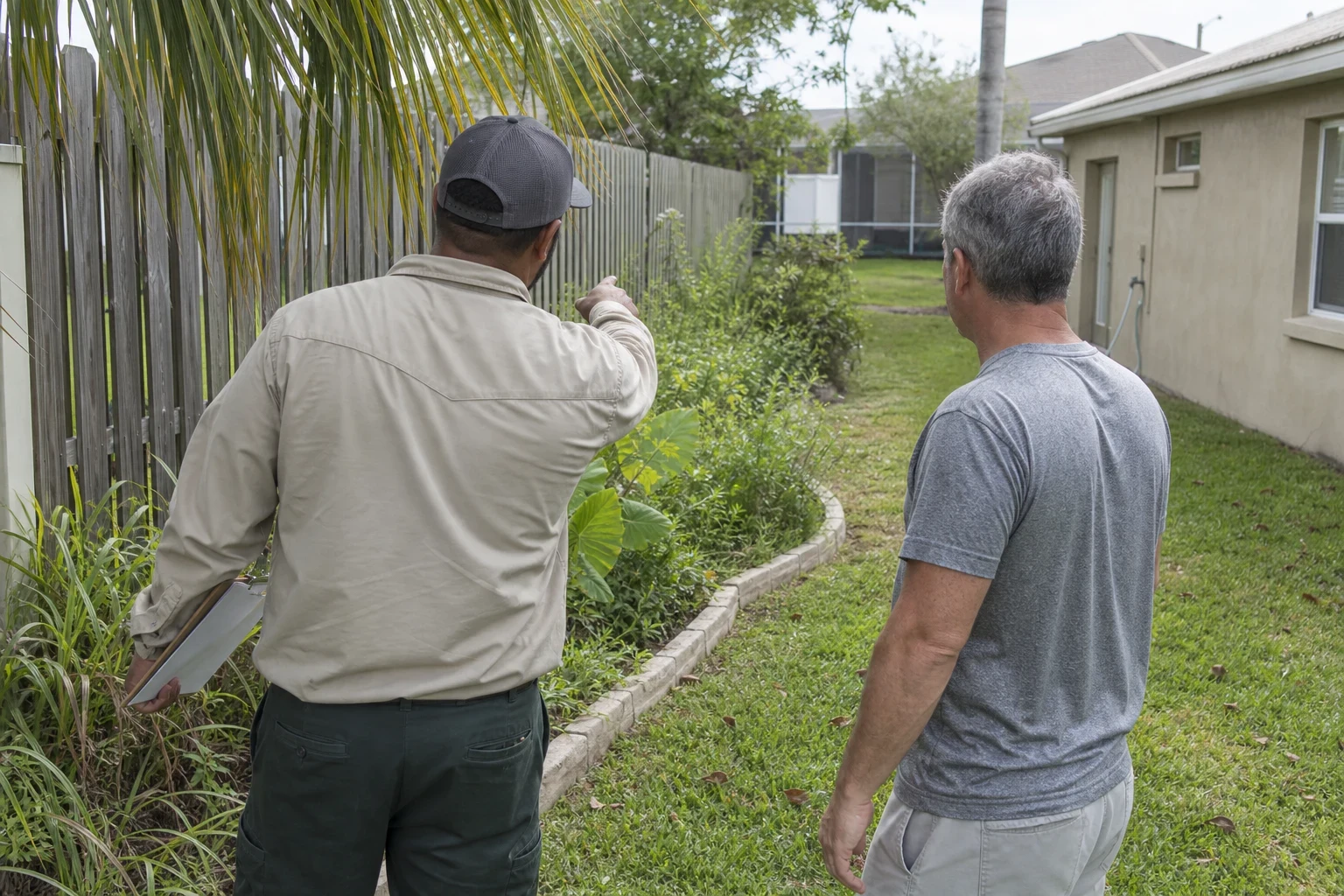
We look at every bed, pull back the old mulch in a few spots and check the soil and edges. You get a plain answer on what needs doing and what doesn't.
- 2
You get a written estimate
We list the beds, the material and the depth so you can see what you're paying for. Nothing is added later without asking you first.
- 3
Prep day
We pull weeds, clear debris, thin out old mulch where it's too thick and cut the edges. Most of the work is here, and it's what makes the new layer last.
- 4
Mulch goes down
We spread the new material evenly, keep it off trunks and the house, and water it in if you'd like. Then we clean the walks and haul off the waste.
Mulch and Bed Questions
How often should I refresh mulch?
Most beds need a top-off about once a year. Pine straw tends to break down faster than bark. When we look at your beds, we'll tell you if it's time or if you can wait.
Should you remove the old mulch first?
Not always. When the existing layer is shallow and still fluffy, adding a fresh coat on top is fine. If it's more than a few inches deep, matted or moldy, we take some out first so water and air can still reach the roots.
Which mulch works best here?
Pine straw and pine bark are common and do well in sandy soil. Cypress holds its color a bit longer. We'll show you the options and explain how each one wears so you can choose.
Does mulch near the house cause problems?
It can if it's piled deep against the foundation or siding, because it holds moisture there. We keep a few inches of space between the mulch and your home.
Can you do the beds and the lawn at the same visit?
Yes. Many people pair this with lawn care or a seasonal cleanup. We can price them together when we walk the property.
Do you offer financing?
Yes, for bigger projects. You can borrow as much as $100,000, pay it back over anywhere from 2 to 12 years, and there's no penalty if you pay it off early. Ask about it on the phone and we'll explain how it works.
Let's Take a Look at Your Beds
We'll walk your beds, show you what's under the old mulch and give you a written price. No pressure to do more than you need.